Allergy Safety • Preparedness • Travel • Free Alert Cards • Support Groups
Essential Safety Tips & Guide
Critcal To Do's, Flying checklist, Free allergy alert cards, Foreign labels, Communication tips, Contacting restaurants, and More…
Educational information only — always follow your clinician’s guidance and your personalized action plan.

21 Resource Links

60+ Links
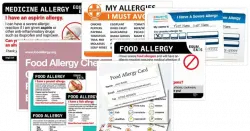
12 In-Depth Topics
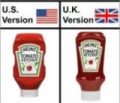
Read Foreign Food Labels

7 Essential Communication Tools
Scripts Phone, Email,Text, What’s App

35+ Countries over 50 Years
Travel and work trips increase allergy risk because food labels, language, emergency care, and awareness vary by place. Safety depends on planning ahead, clear communication, and immediate access to epinephrine—every time, everywhere
This guide compiles essential safety resources and checklists for managing food allergies during travel, including flying, communicating with restaurants, reading foreign food labels, and using allergy alert cards. It emphasizes proactive planning, contacting travel providers and restaurants ahead of time, carrying epinephrine and safe foods, and preparing communication tools for language barriers. The guide empowers allergy sufferers and caregivers with practical strategies, templates, and tools to reduce risk and increase confidence while working or traveling abroad.
Flashcards
Fast, high-retention summaries for food-allergy safety. Also known as Cheat Sheets
Plan Before You Go
Plan- Research food labels, airline policies, and emergency numbers.
- Contact hotels, airlines, and hosts in advance.
- Never assume allergy awareness is the same everywhere.
Carry Epinephrine — Always
Urgent- Bring at least two auto-injectors with you.
- Keep them in your carry-on, not checked bags.
- Know expiration dates and how to use them.
Communicate Clearly
First-line- Use allergy alert cards in the local language.
- State the allergy, severity, and cross-contact risk.
- Repeat—don’t rely on a single conversation.
Read Every Label
Always- Ingredients and allergen laws differ by country.
- Common allergens may be hidden or unnamed.
- When in doubt” means do not eat it.
Prepare for Emergencies
Hidden risk- Know local emergency numbers before arrival.
- SHave a written allergy action plan.
- Use epinephrine first—then seek medical care.
Bring Safe Backup Food
Plan- Pack meals and snacks you fully trust.
- Delays and changes happen without warning.
- Hunger increases risk and poor decisions.