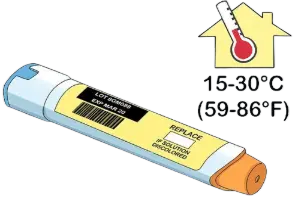
EpiPen Storage
Proper Storage of EpiPens: Ensuring Life-Saving Effectiveness
EpiPens are essential, life-saving devices designed to deliver a precise dose of epinephrine during severe allergic reactions, known as anaphylaxis. The efficacy of an EpiPen is heavily reliant on proper storage practices. Ensuring that the device is stored correctly not only maintains its effectiveness but also guarantees that it functions as intended during emergencies.
Explore Answers to 12 Storage Questions
Vehicle temperatures can rise quickly and exceed recommended storage limits for epinephrine auto-injectors. Excessive heat may degrade epinephrine and reduce the medication’s effectiveness during an allergic emergency.1
Yes. Epinephrine should be protected from light and extreme temperatures. Keeping the auto-injector in its protective carrier tube helps reduce light exposure and protect the device.2
Expired auto-injectors may contain less active epinephrine over time. Experts recommend replacing epinephrine auto-injectors before the expiration date whenever possible.3
The solution should appear clear in the viewing window. If the epinephrine looks cloudy, discolored, or contains particles, the device should be replaced.4
No. The auto-injector should be kept in its protective carrier tube to help protect it from light exposure and physical damage during everyday carrying.2
The device should stay in its protective carrier tube and be kept away from crushing weight and extreme temperatures. Backpacks should not be left in hot places such as direct sun or near heaters.5
During air travel, epinephrine auto-injectors should be kept in carry-on luggage so they remain accessible and are less likely to be exposed to temperature extremes. Keeping the device with you is preferred over checked baggage.6
Cars can quickly become hotter than recommended storage ranges for epinephrine. Most expert guidance advises avoiding storage in parked vehicles because excessive heat can damage the medication.1
Frio packs (available on Amazon) offer a convenient solution for keeping EpiPens cool, especially during travel or in areas without reliable refrigeration. These reusable cooling devices utilize a unique technology that leverages the evaporation of water to create a sustained cooling effect.8
Communicate the storage location to family members, caregivers, or colleagues, and consider having multiple devices in different strategic locations, such as at home, work, or school.
References & Medical Sources
- Heat and Epinephrine Stability: U.S. Food and Drug Administration (FDA) — Epinephrine Auto-Injector Storage Guidance
- Protecting Auto-Injectors From Light and Damage: EpiPen® Prescribing Information — Storage and Handling Instructions
- Expiration and Replacement of Epinephrine Auto-Injectors: American College of Allergy, Asthma & Immunology (ACAAI) — Epinephrine Auto-Injector Guidance
- Checking the Medication Window: Allergy & Asthma Network — Epinephrine Auto-Injector Safety Guidance
- School Preparedness for Anaphylaxis: Centers for Disease Control and Prevention (CDC) — Managing Food Allergies in Schools
- Traveling With Epinephrine Auto-Injectors: American Academy of Allergy, Asthma & Immunology (AAAAI) — Traveling With Food Allergies
- Temperature Effects on Epinephrine Auto-Injectors: National Institutes of Health (NIH) — World Allergy Organization Anaphylaxis Guidance
- Taerahkun, S., & Sriphrapradang, C. (2022). Efficacy of alternative cooling devices used for insulin storage without refrigeration under hot-humid environment. Annals of Medicine, 54(1), 1118–1125. https://doi.org/10.1080/07853890.2022.2067355″ target=”_blank” rel=”noopener noreferrer” style=”color: #367588; text-decoration: underline;”> National Institutes of Health (NIH) — World Allergy Organization Anaphylaxis Guidance
EpiPen Storage
Proper Storage of EpiPens: Ensuring Life-Saving Effectiveness
EpiPens are essential, life-saving devices designed to deliver a precise dose of epinephrine during severe allergic reactions, known as anaphylaxis. The efficacy of an EpiPen is heavily reliant on proper storage practices. Ensuring that the device is stored correctly not only maintains its effectiveness but also guarantees that it functions as intended during emergencies.
Explore Answers to 12 Storage Questions
Vehicle temperatures can rise quickly and exceed recommended storage limits for epinephrine auto-injectors. Excessive heat may degrade epinephrine and reduce the medication’s effectiveness during an allergic emergency.1
Yes. Epinephrine should be protected from light and extreme temperatures. Keeping the auto-injector in its protective carrier tube helps reduce light exposure and protect the device.2
Expired auto-injectors may contain less active epinephrine over time. Experts recommend replacing epinephrine auto-injectors before the expiration date whenever possible.3
The solution should appear clear in the viewing window. If the epinephrine looks cloudy, discolored, or contains particles, the device should be replaced.4
No. The auto-injector should be kept in its protective carrier tube to help protect it from light exposure and physical damage during everyday carrying.2
The device should stay in its protective carrier tube and be kept away from crushing weight and extreme temperatures. Backpacks should not be left in hot places such as direct sun or near heaters.5
During air travel, epinephrine auto-injectors should be kept in carry-on luggage so they remain accessible and are less likely to be exposed to temperature extremes. Keeping the device with you is preferred over checked baggage.6
Cars can quickly become hotter than recommended storage ranges for epinephrine. Most expert guidance advises avoiding storage in parked vehicles because excessive heat can damage the medication.1
Frio packs (available on Amazon) offer a convenient solution for keeping EpiPens cool, especially during travel or in areas without reliable refrigeration. These reusable cooling devices utilize a unique technology that leverages the evaporation of water to create a sustained cooling effect.8
Communicate the storage location to family members, caregivers, or colleagues, and consider having multiple devices in different strategic locations, such as at home, work, or school.
References & Medical Sources
- Heat and Epinephrine Stability: U.S. Food and Drug Administration (FDA) — Epinephrine Auto-Injector Storage Guidance
- Protecting Auto-Injectors From Light and Damage: EpiPen® Prescribing Information — Storage and Handling Instructions
- Expiration and Replacement of Epinephrine Auto-Injectors: American College of Allergy, Asthma & Immunology (ACAAI) — Epinephrine Auto-Injector Guidance
- Checking the Medication Window: Allergy & Asthma Network — Epinephrine Auto-Injector Safety Guidance
- School Preparedness for Anaphylaxis: Centers for Disease Control and Prevention (CDC) — Managing Food Allergies in Schools
- Traveling With Epinephrine Auto-Injectors: American Academy of Allergy, Asthma & Immunology (AAAAI) — Traveling With Food Allergies
- Temperature Effects on Epinephrine Auto-Injectors: National Institutes of Health (NIH) — World Allergy Organization Anaphylaxis Guidance
- Taerahkun, S., & Sriphrapradang, C. (2022). Efficacy of alternative cooling devices used for insulin storage without refrigeration under hot-humid environment. Annals of Medicine, 54(1), 1118–1125. https://doi.org/10.1080/07853890.2022.2067355″ target=”_blank” rel=”noopener noreferrer” style=”color: #367588; text-decoration: underline;”> National Institutes of Health (NIH) — World Allergy Organization Anaphylaxis Guidance