Guide to Anaphylaxis Resources
Calm, aggregated, practical guidance on Anaphylaxis with Expert Websites, Symptoms, First Aid Translated, Overseas 911 and More…
65+ Links in One Place
Emergency: Possible severe allergy symptoms? Call 911 now. Don’t use this site during an active reaction.
Educational information only — always follow your clinician’s guidance and your personalized action plan.
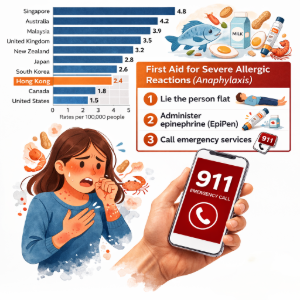

Medical guidance from trusted health organizations. Evidence-based, not opinion.

Spot symptoms early. Know what is an emergency. Act before symptoms escalate.

911 may not work everywhere. Access codes for 55 countries. Plan before you travel.

Emergency steps translated in 26 languages. Know exactly what to do in any region.
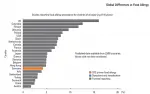
Awareness differs worldwide. Protect yourself when abroad. Not a global reality.
Quick Summary
Quick Summary: Anaphylaxis is a severe, systemic allergic reaction requiring immediate treatment with epinephrine. Standard emergency protocols involve use of an auto-injector in the outer thigh, calling emergency services (911), and positioning individuals flat with legs raised, as per first-aid guidelines. Studies indicate that delaying epinephrine is a primary risk factor for fatal outcomes.
This page brings together trusted resources to help you identify signs and understand standard emergency actions. It explains key warning signs, when to use epinephrine, and why emergency help is still needed even if symptoms improve. You’ll also find travel-related guidance, multilingual first-aid information, and emergency numbers to help you stay prepared anywhere.
Everything here is free. We’re a mission-driven hub, not a commercial site.
Nothing here replaces medical advice—always work with your doctor to create a personalized allergy action plan.
Flashcards
Fast, high-retention summaries for food-allergy safety.
Also known as Cheat Sheets
Epinephrine first
30 sec- Epinephrine first.
- Antihistamines don’t work.
- Seconds matter.
Signs of a Severe Reaction
Urgent- Breathing, swelling, collapse.
- Commonly managed as anaphylaxis.
- Guidelines emphasize immediate action.
Principle of Early Action
First-line- Experts suggest early use is lower risk
- Delays increase risk.
- Follow your action plan.
Call emergency services
Always- Call emergency services after epinephrine.
- You still need medical monitoring.
- Symptoms can return.
Common First-Aid Positioning
Hidden risk- Position matters.
- Protocols: lay flat and raise the legs
- Avoiding standing/walking is advised.
Carry two auto-injectors
Plan- Carry two auto-injectors.
- A second dose may be needed.
- Know where they are.
Return to top
Frequently Asked Questions (FAQ)
PURPOSE OF THIS WEBSITE: This tool is a decision-support assistant, not a diagnostic device. It is designed to help you organize your thoughts, summarize allergy research, and prepare for a discussion with a board-certified allergist
CRITICAL SAFETY CONSTRAINTS (The “Never” List)
NEVER use this tool during an active allergic reaction. If you are experiencing hives, swelling, or difficulty breathing, call emergency services immediately.
NEVER use this tool for infants or children without direct supervision and final approval from a pediatrician.
MEDICAL DISCLAIMER:This tool provides information and was aided by artificial intelligence (Gemini/ChatGPT) for educational and informational purposes only. It is not a substitute for professional medical advice, diagnosis, or treatment. Always seek the advice of your physician or other qualified health provider with any questions you may have regarding a medical condition. Never disregard professional medical advice or delay in seeking it because of something you have read on this website. If you think you may have a medical emergency, call your doctor or emergency services (e.g., 911 or 999 or country’s emergency number) immediately. Reliance on any information provided by this tool is solely at your own risk.
Information Only: The content provided on AlertAllergy.com, including text, graphics, and links to external resources, is for educational and informational purposes only. It is intended to aggregate existing public health guidance into a centralized hub for easier access.
AI ACCURACY NOTICE: This service utilizes advanced Artificial Intelligence models. AI can “hallucinate,” meaning it may generate information that is factually incorrect, outdated, or medically unsound. The content of this website has not been reviewed by a medical professional. Users are responsible for independently verifying any outputs provided by the website before taking any action, particularly regarding allergen exposure or medication use.
NO ENDORSEMENT: While we link to authority sites (such as the Mayo Clinic, WebMD, Cleveland Clinic, Johns Hopkins, and many others), Food allergy.world does not recommend or endorse any specific tests, clinicians, products, or procedures mentioned on these external sites. Reliance on any information provided by this tool is solely at your own risk.
REGULATORY STATUS: This software has not been cleared or approved by the U.S. Food and Drug Administration (FDA) or the UK Medicines and Healthcare products Regulatory Agency (MHRA). It is intended as a general wellness and information tool and is not intended for use in the diagnosis of disease or other conditions, or in the cure, mitigation, treatment, or prevention of disease.