Allergy Safety • Preparedness • Travel • Free Alert Cards • Support Groups
Traveling Aboard?
Different Treatments Internationally for Anaphylactic Shock
Educational information only — always follow your clinician’s guidance and your personalized action plan.
Anaphylaxis first aid in 26 languages – Your emergency toolkit

Traveling? Know who to call! Get emergency numbers abroad

life-saving anaphylaxis apps and tech tools – Get help in seconds, not minutes
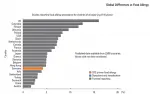
Explore worldwide prevalence and trends
WHY YOU NEED TO READ THIS
Planning to travel abroad with food allergies? Here's what many travelers don't realize:
Recognition isn't universal. In some countries, severe food allergies are rare enough that bystanders may not recognize anaphylaxis when they see it.
Words aren't enough. The same food can have completely different names across regions—even within the same language. Visual allergy cards bridge the communication gap.
Emergency numbers vary. That 911 reflex won't help you in countries where emergency services use different numbers.
EpiPens aren't everywhere. Many people abroad have never seen an EpiPen, let alone know how to administer one.
Replacement can be impossible. If you use your EpiPen during your trip, you may discover that pharmacies in your destination country don't stock them at all.
Flashcards
Fast, high-retention summaries for food-allergy safety.
Also known as Cheat Sheets
Know who to call
Plan- “911” may not work abroad.
- Save local emergency numbers now.
- Lock-screen medical note, emergency contacts, translated phrases offline, and your destination’s emergency numbers
Make your allergy understood
Urgent- Use translated allergy alert cards with images to reduce confusion and dialect differences.
- Travel companions know: Where your epinephrine is, how to use it, the “lie flat” rule, and the local emergency number
- Keep a simple emergency phrase ready.
Don’t rely on refills
First-line- Epinephrine may be limited or unfamiliar.
- More than 50% of countries do not sell EpiPens
- Bring enough devices for the whole trip.
Technology is a backup, not a plan
Always- Offline phrases help when you can’t speak.
- Carry a printed card too, just in case.
- Have a local record a voice memo
Must Do's
Hidden risk- 2+ epinephrine devices on your body (not checked luggage)
- Emergency Sheet”: allergies + meds + what to do + your clinician’s plan.
- Save emergency numbers for each destination
Must-carry” message
Plan- I have a life-threatening food allergy.
- “I may need epinephrine.
- Please call an ambulance
Frequently Asked Questions (FAQ)
Sources
Food Allergy Research & Education (FARE): Offers tools and resources for global travel with food allergies.
Allergy Insight: Covers international food allergy labeling regulations and global allergen prevalence.
FAACT (Food Allergy & Anaphylaxis Connection Team): Includes resources on traveling with severe food allergies, including checklists and guides.
911 Info by Country: Lists emergency numbers worldwide for travelers.
Google Translate App: A tool for translating phrases, helpful for communicating allergies abroad.
Challenges for Food Allergy Management Abroad